AI is one of the most useful tools a modern crypto user has access to — for learning, for reading code, for organizing research, and for running personal trading agents. This hub covers the lineup: which models to use, how to build agents, where to run them, and how to give them a memory.
These are not “AI will pick your trades for you” pieces. They are practical guides for using AI as a sharper research and engineering partner.
What is Claude AI? A Beginner’s Guide for Crypto Users
A plain-English introduction to Anthropic’s Claude — what it is, where it helps a crypto user (research, summaries, code reading), and what to never trust it with (live keys, trade execution, current prices).
What is OpenAI Codex? A Crypto User’s Guide
The current state of Codex and the GPT-5.5 lineup, real pricing per million tokens, and how OpenAI compares against Claude and Grok-4 for the jobs crypto users actually do.
Claude Code: Build Your First AI Agent
What “AI agent” actually means, what you can realistically build in an evening (research notebooks, journals, contract helpers), and the permission rules that keep a curious agent from becoming an expensive mistake.
Building Your First Trading Agent with GPT-5.5
A beginner-friendly architectural pattern for a trading agent: signal generation, position sizing, execution, monitoring — and the safety rails (paper trading, kill switches, risk caps) you put around it before any real money moves.
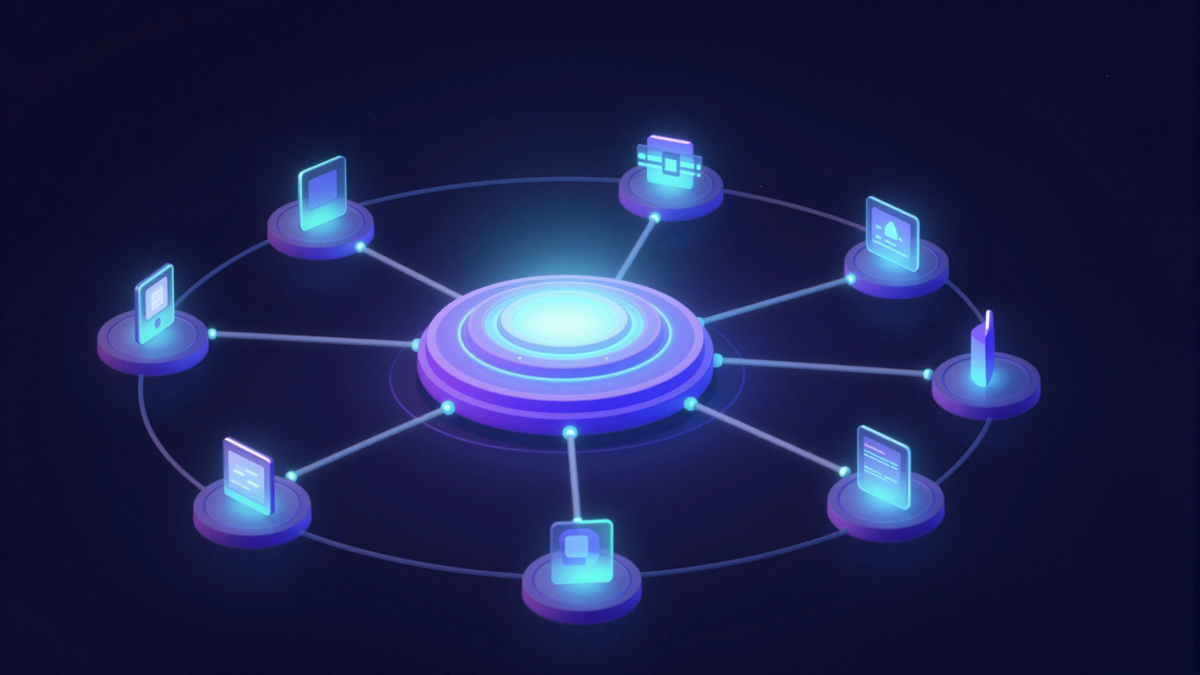
Hermes: An Always-On AI Stack for Crypto Investors
The pattern: specialized localhost agents (researcher, content, coder, grok-x, trader) coordinated through a shared Obsidian vault. agents.yaml as your registry, no group chat needed — they read each other’s markdown.
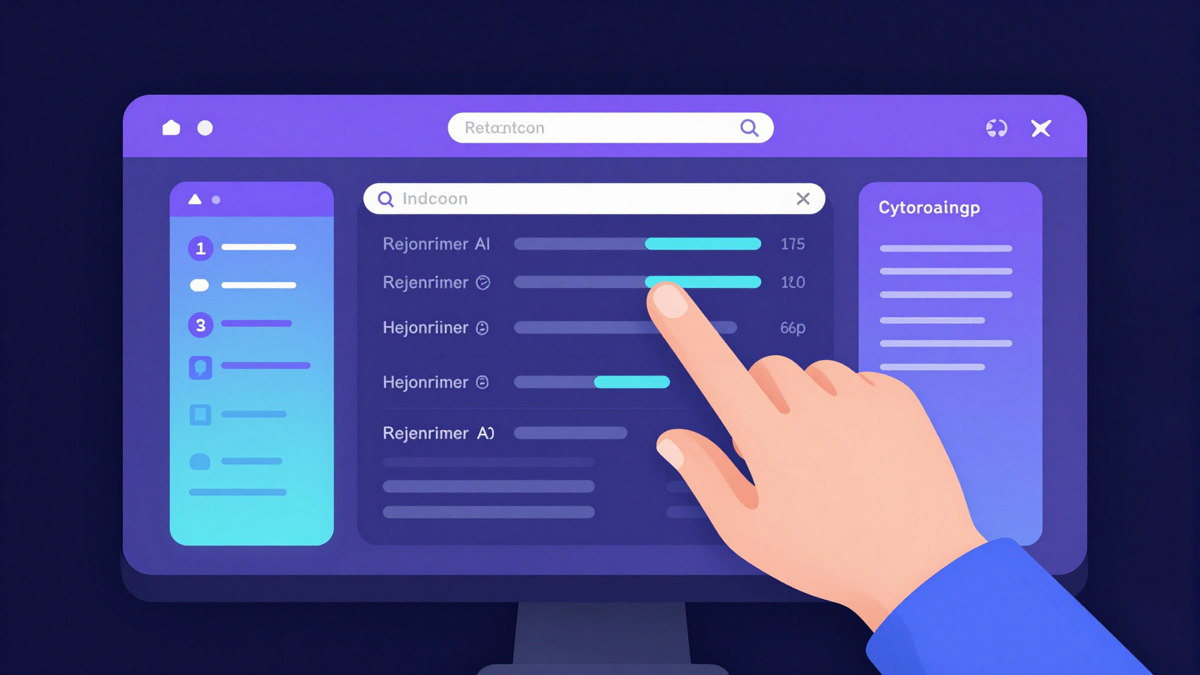
OpenClaw: Browser Automation for Crypto Research
Browser-driving AI agents for the dashboards, explorers, and exchange UIs you can’t get via an API. Anthropic Computer Use, Browserbase, Playwright + AI — what fits where for crypto workflows.
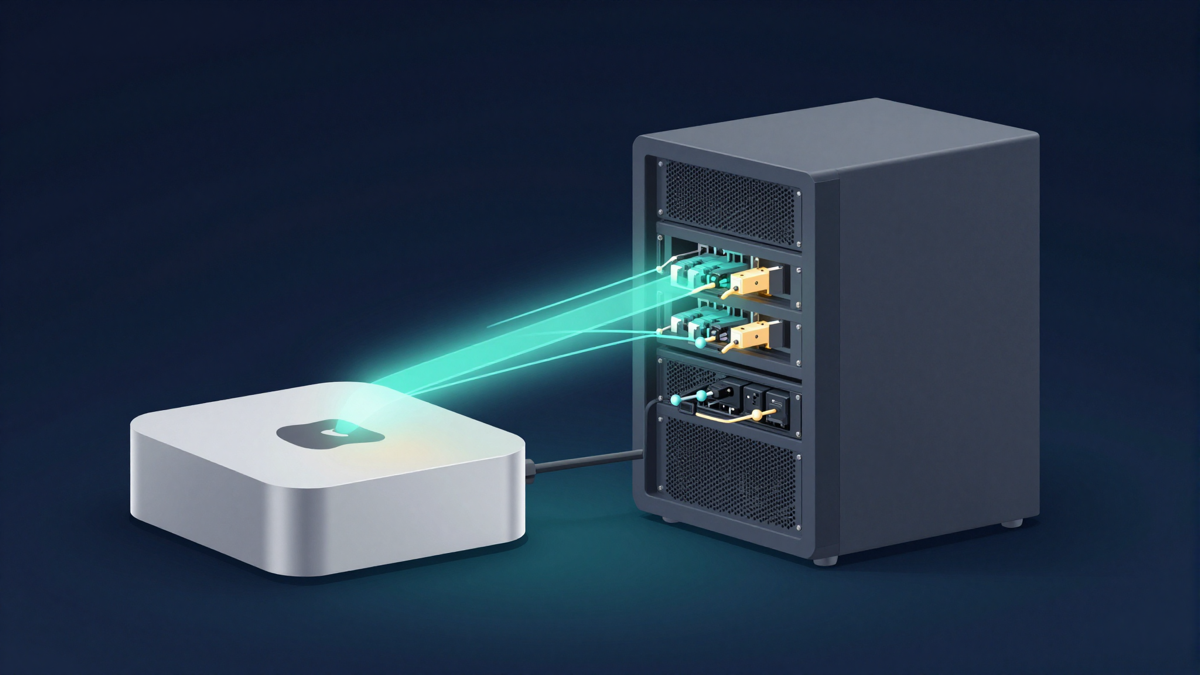
Running Your AI Trading Agent 24/7: Mac Mini vs VPS
Hardware choice, electricity, latency to exchanges, key-handling, and recurring cost — the trade-offs between a local Mac mini and a Hetzner / DigitalOcean / Linode VPS for keeping a trading agent alive.
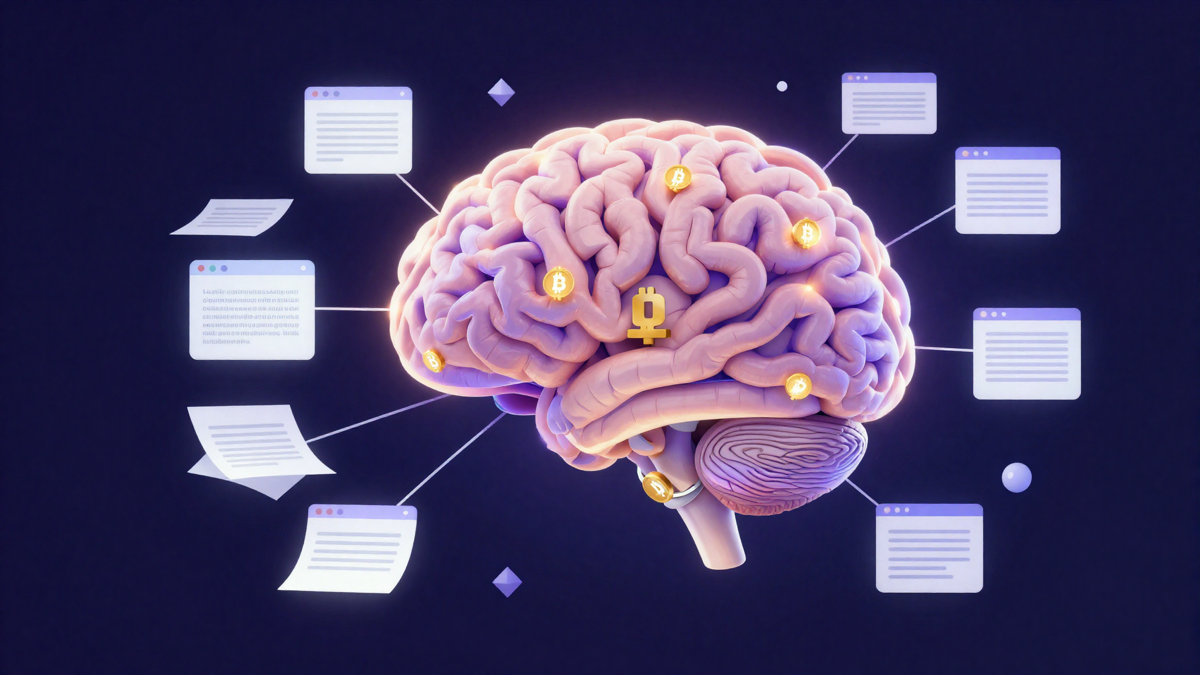
The Obsidian Vault: Your AI Agent’s Self-Learning Brain
Why markdown + folders are the right shape for long-term agent memory. Folder conventions, the MCP server, Smart Connections, and the privacy properties that make Obsidian different from a SaaS database.
Building a Trading Journal Your AI Agent Can Read
A concrete folder + YAML frontmatter structure for positions, strategies, and post-mortems. How the agent reads + writes back. Git-versioned, on disk, private by default.
The Hyperliquid API for Trading Agents
The endpoints, the auth model (signed transactions, not API keys), the rate limits, the SDKs. A beginner’s tour with example payloads — enough to read live data into your agent before you let it touch orders.
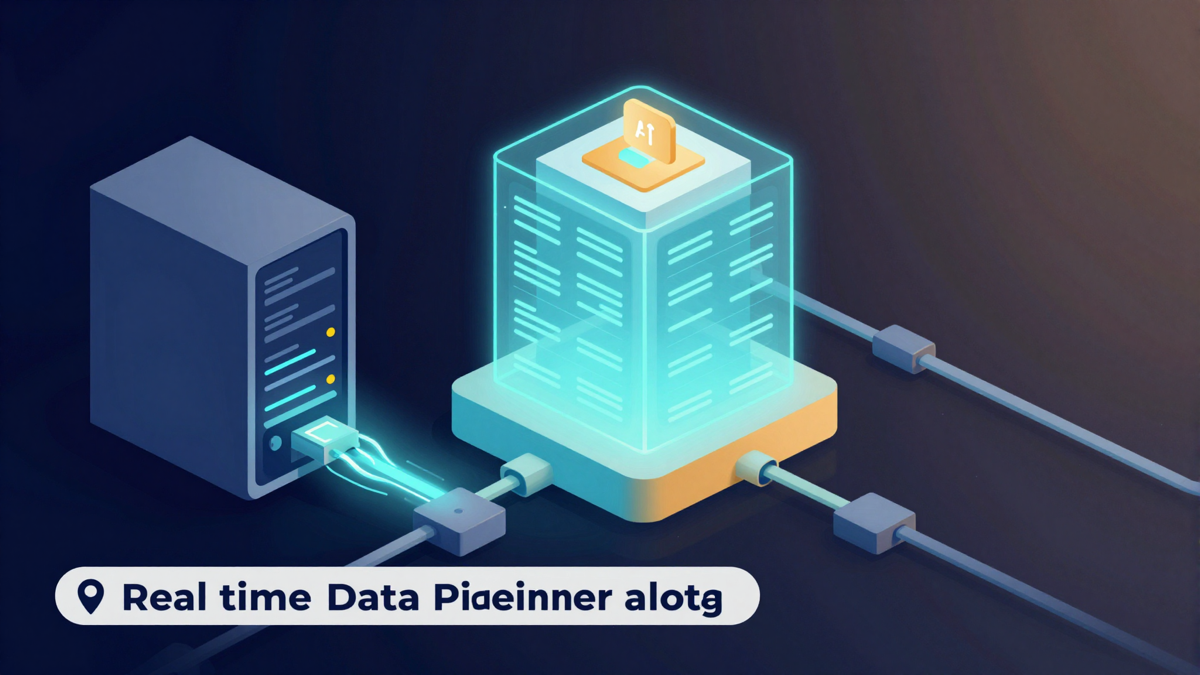
Building Real-Time Data Pipelines from Hyperliquid
WebSocket subscriptions, reconnect handling, snapshot reconciliation, and storage — the unglamorous engineering that turns raw exchange data into something your AI agent can reason about.
Using AI to Read a Smart Contract
A 30-minute pre-deposit review you can do yourself: source verification, framing prompts, the eight specific follow-up questions to ask, and how to spot when the AI is at the edge of what it actually knows.
Browse more with the full guide index, or check the Hyperliquid and HyperEVM sections.